

Why Some Financial Advisors Are Skeptical of Annuities — And Why They Still Deserve Consideration


Annuities have long been one of the most debated products in retirement planning. While some financial advisors recommend them as a core component of a retirement strategy, others remain skeptical and often encourage clients to consider alternative solutions.
For consumers, this creates an important question:
Why do some financial advisors oppose or hesitate to recommend annuities?
The answer is not as simple as "annuities are good" or "annuities are bad." In reality, the discussion involves product design, advisor compensation models, retirement income planning philosophies, and individual client needs.
Understanding both sides of the conversation can help investors make more informed decisions.
Why Some Advisors Are Critical of Annuities
There are several legitimate reasons why some financial advisors are cautious about annuities.
Complexity
Certain annuity products can be difficult to understand. Features such as income riders, surrender periods, participation rates, caps, spreads, and withdrawal provisions can make comparisons challenging for consumers.
Advisors who prioritize simplicity may prefer investment solutions that are easier to explain and monitor.
Liquidity Concerns
Many annuities are designed as long-term retirement vehicles and may include surrender charges if funds are withdrawn during a specified period.
For clients who need flexibility or anticipate significant liquidity needs, advisors may believe other solutions are more appropriate.
Costs and Fees
Some annuity products, particularly certain variable annuities, can carry fees that exceed those of traditional investment portfolios.
As a result, advisors often compare costs against the value of the guarantees being provided to determine whether the product is justified.
Investment Philosophy Differences
Many advisors believe long-term market participation provides the best opportunity for wealth accumulation. These advisors may prefer diversified investment portfolios over insurance-based solutions because they prioritize growth potential.
This doesn't necessarily mean annuities are unsuitable—it simply reflects a different approach to retirement planning.
The Role of Advisor Compensation
Another factor that is often discussed is compensation.
Many financial advisors operate under an Assets Under Management (AUM) model, where they charge an ongoing fee based on the value of client assets they manage. Under this arrangement, advisor revenue grows as managed assets increase.
When a client allocates a portion of their retirement assets to an annuity, those funds may no longer be part of the advisor's managed portfolio. Depending on the advisor's business structure, this can reduce the amount of assets generating recurring management fees.
This doesn't mean advisors intentionally avoid annuities because of compensation. Most advisors strive to act in their clients' best interests. However, it is important to recognize that different compensation models can naturally influence how various financial solutions are evaluated and prioritized.
Consumers should understand how their advisor is compensated and how that compensation aligns with the recommendations they receive.
Why Many Retirees Choose Annuities
Despite the criticisms, annuities continue to play a significant role in retirement planning because they address risks that traditional investments often cannot fully eliminate.
Guaranteed Lifetime Income
One of the greatest concerns retirees face is outliving their savings.
Certain annuities can provide income that continues for life, regardless of market performance or longevity. For retirees seeking predictable cash flow, this guarantee can provide valuable peace of mind.
Protection from Market Volatility
Market downturns can significantly impact retirees who are actively withdrawing income from investment accounts.
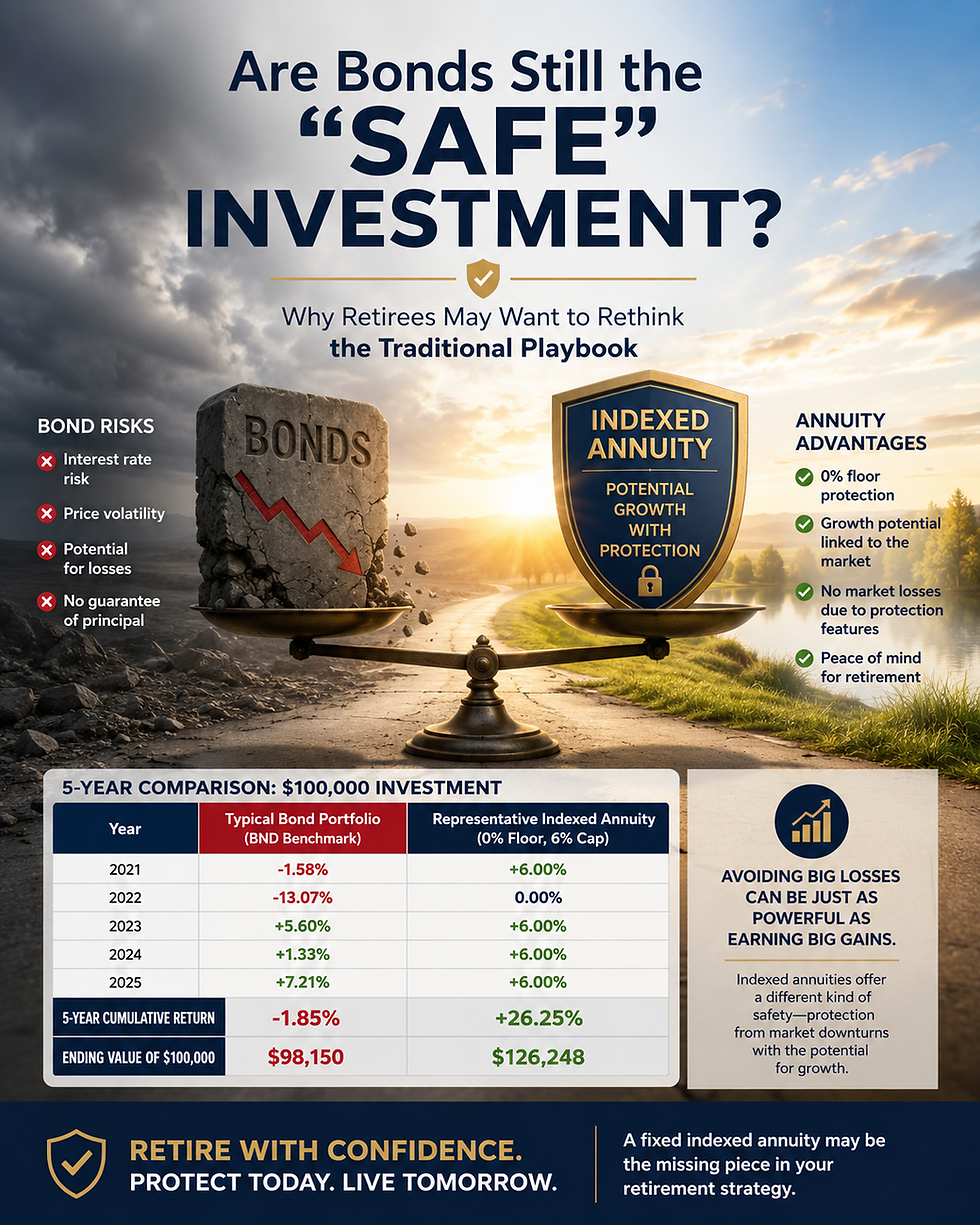
Fixed and fixed-indexed annuities offer varying degrees of principal protection while still allowing for growth opportunities. For many investors nearing or in retirement, protecting accumulated assets becomes increasingly important.
Tax-Deferred Growth
Annuities allow earnings to grow on a tax-deferred basis until withdrawals begin.
For individuals who have already maximized other tax-advantaged retirement vehicles, annuities may provide an additional opportunity to accumulate retirement assets efficiently.
Creating Personal Pension Income
With traditional employer pensions becoming increasingly rare, many retirees are searching for ways to create dependable income streams.
Annuities can help replicate certain pension-like characteristics by providing consistent income regardless of economic conditions.
The Key Question: Is an Annuity Right for You?
The most important question isn't whether annuities are universally good or bad.
The better question is:
Does an annuity help solve a specific challenge within your retirement plan?
For some investors, the answer may be yes because they value:
Guaranteed income
Principal protection
Reduced market risk
Tax-deferred growth
Greater retirement certainty
For others, flexibility, liquidity, and maximum growth potential may make alternative strategies more appropriate.
The right solution depends on individual goals, risk tolerance, time horizon, and overall financial circumstances.
Final Thoughts
The debate surrounding annuities is unlikely to disappear anytime soon. Some advisors remain skeptical because of concerns related to complexity, costs, or investment philosophy. Others recognize annuities as valuable tools for addressing retirement income and longevity risks.
The reality is that annuities are neither inherently good nor inherently bad. Like any financial product, their value depends on how they are used and whether they align with a client's objectives.
Investors should seek advice from qualified professionals, ask questions about compensation structures, understand the benefits and limitations of any recommendation, and focus on finding solutions that support their long-term retirement goals.
When used appropriately, annuities can be an effective component of a well-rounded retirement strategy—providing security, predictability, and confidence during retirement.


Comments