


The K-Shaped Economy: Why It’s Leaving Many Americans Behind
- Christopher Krolak

- Mar 10
- 3 min read

Over the past few years, economists and financial commentators have increasingly used the term “K-shaped economy.” At first glance, it may sound like just another technical economic phrase, but its impact is very real—especially for everyday Americans trying to save, invest, and plan for retirement.
Understanding what a K-shaped economy is, can help explain why some people seem to be thriving financially while others feel like they’re falling further behind.
What Is a K-Shaped Economy?
A K-shaped economy occurs when different parts of the economy recover or grow at very different speeds, creating a widening gap between groups of people.
Imagine the letter “K.”
The top line going upward represents people and industries that are doing better and seeing their wealth grow.
The bottom line going downward represents people and industries that are struggling or losing ground.
Instead of the economy rising together like a tide lifting all boats, it splits into two very different paths.
Who Is Moving Up the “K”?
The upward path of the K typically includes:
• People who own stocks and investments
• High-income earners
• Technology and financial industries
• Large corporations with strong access to capital
When the stock market performs well, these groups often see their wealth grow rapidly. Rising asset prices—such as stocks and real estate—benefit those who already own them.
For example, when markets surge, someone with a large investment portfolio may see their wealth grow significantly without changing anything about their day-to-day life.
Who Is Moving Down the “K”?
Unfortunately, the downward side of the K often includes:
• Middle- and lower-income households
• Workers in service industries
• People without significant investments
• Small business owners struggling with rising costs
These groups tend to feel the impact of inflation, rising housing costs, healthcare expenses, and economic instability much more directly.
While asset owners may see their wealth increase, many working families are simply trying to keep up with higher everyday expenses.
Why a K-Shaped Economy Is Dangerous
A K-shaped economy creates growing financial inequality, which can have several long-term consequences.
1. The Wealth Gap Widens
When one group benefits from rising markets and another struggles with rising costs, the financial divide grows larger. Over time, it becomes harder for people on the lower side of the K to catch up.
2. Economic Stability Weakens
Healthy economies depend on strong consumer spending. If a large portion of the population is financially strained, it can slow economic growth overall.
When everyday families have less disposable income, businesses feel it.
3. Retirement Becomes Harder
For many Americans approaching retirement, a K-shaped economy can make financial planning more uncertain.
If retirement savings are heavily exposed to market volatility, downturns can have a much larger impact—especially for people who don’t have decades left to recover from losses.
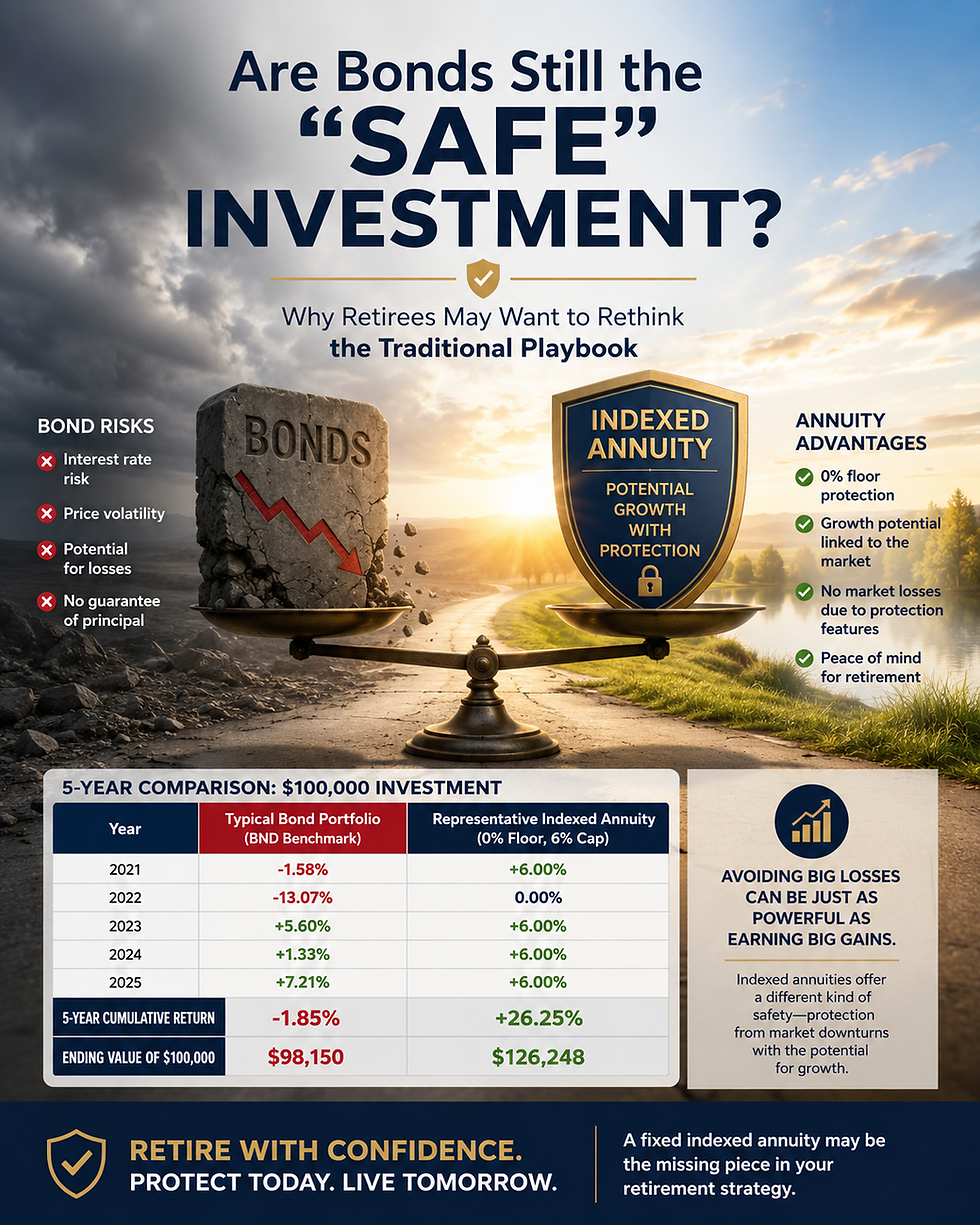
This is why many retirees and pre-retirees start looking for strategies that provide protection, income, and steady growth, rather than relying entirely on market performance.
What It Means for Everyday People
A K-shaped economy highlights an important reality:
not everyone experiences the economy the same way.
You might hear headlines saying the economy is strong because the stock market is hitting new highs. But for many households dealing with rising grocery bills, higher insurance premiums, and increased living costs, that strength may not feel very real.
This disconnect is exactly what the K-shaped economy describes.
Planning for an Uneven Economy
Because economic growth is not evenly distributed, having a financial plan becomes even more important.
A strong retirement strategy should focus on three key pillars:
Protection – Safeguarding a portion of your savings from market downturns.
Income – Creating predictable income streams you can rely on in retirement.
Growth – Keeping some assets positioned to grow over time.
Balancing these three elements can help people navigate uncertain economic environments without relying entirely on market performance.
The Bottom Line
A K-shaped economy means some people are moving ahead while others fall behind. While strong markets benefit investors and large institutions, many everyday Americans face rising costs and financial pressure.
Understanding this reality is the first step toward building a financial plan that can withstand an economy that doesn’t always move in the same direction for everyone.
Because in today’s environment, financial success isn’t just about participating in the economy—it’s about positioning yourself to survive the parts of it that move downward.


Comments