


Why So Few Professional Money Managers Can Beat the S&P 500
- Christopher Krolak

- Dec 29, 2025
- 3 min read
Many investors assume that hiring a professional money manager automatically gives them an advantage over the stock market. After all, these are trained experts with access to research teams, advanced technology, and years of experience.
So it seems logical to expect one thing: better performance than the S&P 500.
Surprisingly, that rarely happens.
The Reality of Market Performance
The S&P 500, which tracks 500 of the largest U.S. companies, is often used as the benchmark for market success. Over long periods of time, it has delivered solid average returns.
However, numerous long-term studies show that most professional money managers fail to consistently outperform the S&P 500, especially after fees are taken into account.
Even more telling:
Many managers may outperform for a year or two
Very few can do so over 10, 15, or 20 years
Fewer still can outperform after fees, trading costs, and taxes
In other words, consistent outperformance is extremely rare.
Why Beating the Market Is So Difficult
If professionals struggle to beat the market, it’s worth understanding why.
1. Fees quietly erode returns Management fees, fund expenses, and trading costs may seem small, but over time they significantly reduce net returns—especially during periods of market volatility.
2. Market timing rarely works Trying to jump in and out of the market sounds smart, but missing just a handful of the market’s best days can permanently damage long-term performance. Timing requires being right twice—when to exit and when to re-enter—and very few managers can do that consistently.
3. The market is highly competitive Every trade a manager makes is against another professional. With millions of analysts watching the same information in real time, gaining a lasting edge is incredibly difficult.
4. Human behavior gets in the way Fear, greed, and career pressure often lead managers to follow the crowd rather than stick to disciplined, long-term strategies—sometimes at the expense of their clients’ outcomes.
What This Means for Investors
This reality leads to an important shift in thinking.
Instead of asking, “How can I beat the S&P 500?” A more meaningful question is:
“How much risk do I actually need to take to reach my goals?”
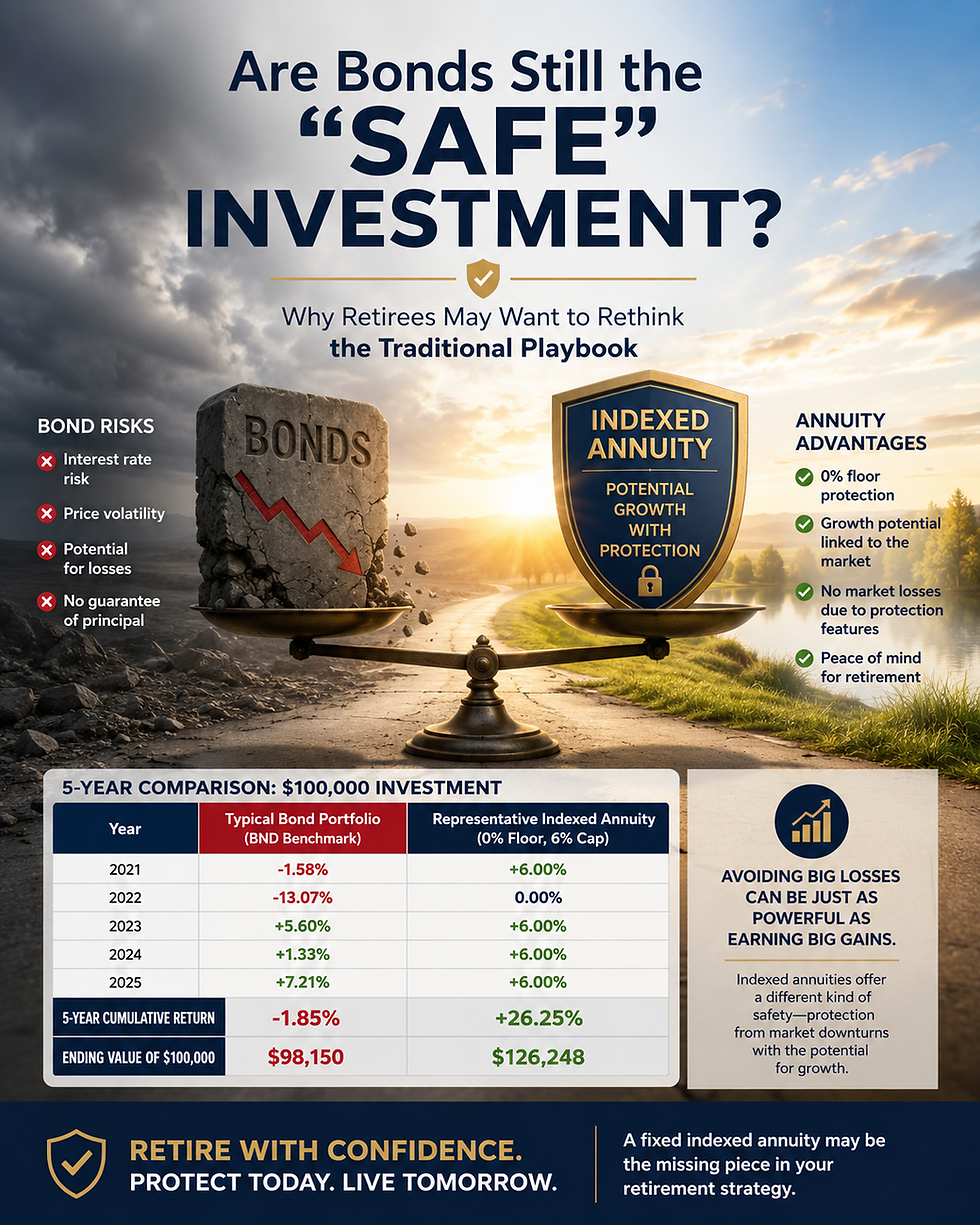
For investors nearing or in retirement, market volatility can pose a serious threat. Large losses take much larger gains to recover from—and time may not be on your side.
Chasing higher returns often comes with:
Increased volatility
Emotional stress
Poor timing decisions
The risk of selling at the worst possible moment
The Value of Protection and Consistency
History shows that avoiding major losses can be just as important as achieving gains. Investors who focus on consistency, risk management, and protecting their principal often end up in a stronger position over the long run—especially during turbulent markets.
Success doesn’t require beating Wall Street. It requires a strategy aligned with your timeline, your comfort level, and your long-term objectives.
A Simple Next Step: Get a Second Financial Opinion
If you’re not sure how much risk you’re really taking—or whether fees and volatility could derail your plan—it may be time for a Second Financial Opinion.
This is a no-cost, no-obligation review designed to help you:
Understand your current level of market risk
Identify hidden or excessive fees
See whether your strategy truly matches your goals
Explore ways to protect your money while still pursuing growth
There’s no pressure and no sales pitch—just clarity.
Final Thoughts
The fact that most professional money managers can’t beat the S&P 500 isn’t a failure of intelligence—it’s the reality of how markets work.
The smartest investors aren’t trying to win Wall Street’s game. They’re focused on protecting what they’ve already worked so hard to build.
If you’d like a clearer picture of where you stand, consider scheduling your Second Financial Opinion today—and make sure your strategy is built for confidence, not just performance. Call 585-490-1969 to schedule some time with us.


Comments